
FASHION& SOLITUDE
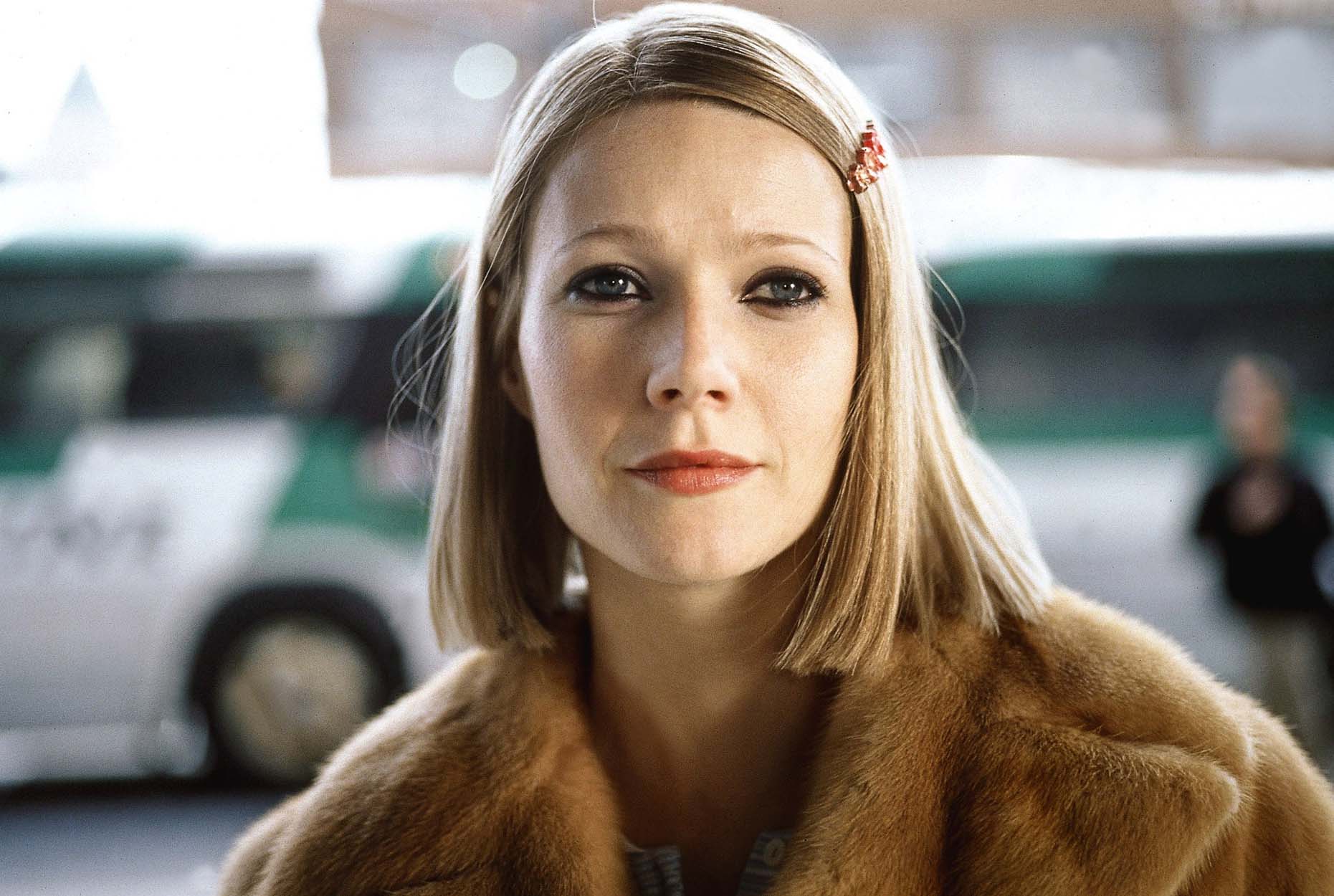
My favorite scene from Wes Anderson’s The Royal Tenenbaums, released 20 years ago, is when we first meet Margot Tenenbaum, portrayed by Gwyneth Paltrow. Stepping out of a Green Line bus to meet her brother Richie (Luke Wilson), she wears a long mink overcoat and a brown Hermès Birkin bag. Her eyes are rimmed heavily with black eyeliner, and her blunt bob is punctuated with a red barrette. It’s a glamorously retro ensemble that certainly does not fit the setting—have you worn such a look on public transit? —but it’s one that Margot goes on to wear throughout the film. The outfit becomes as central to her character as her relentless apathy.

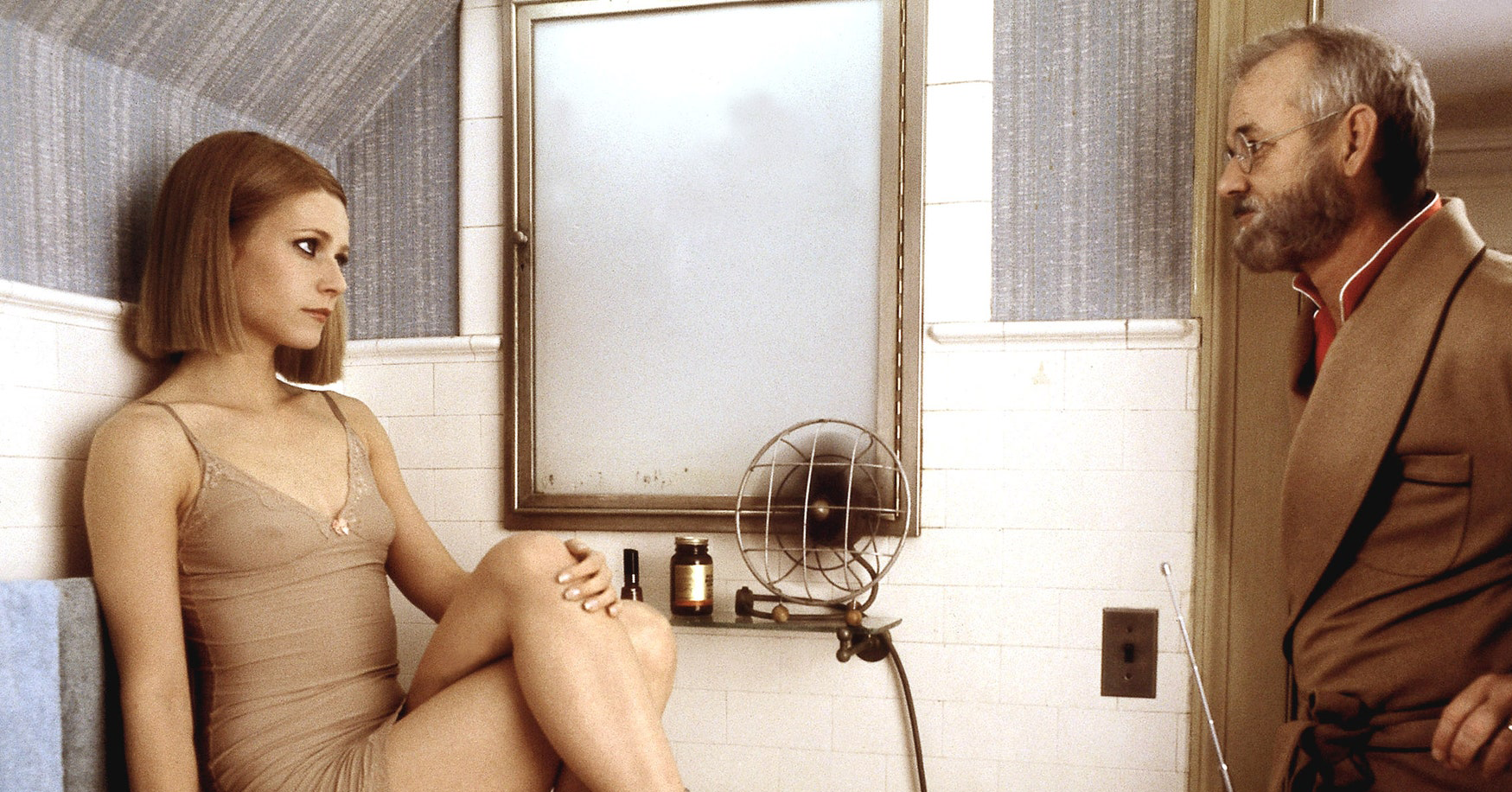
Or maybe even more so. Margot’s refined style remains one of the movie’s calling cards two decades later. A gifted playwright who has been adopted into the Tenenbaum family, Margot is an outsider. That’s only underscored by her fashion sense: She’s decidedly more fashion-forward than the rest of the Tenenbaums. But her looks, while distinctive, are never overstyled. In one scene, she’s smoking in the bathroom while painting her toes and wearing a tight, nude slip dress. You get the sense that she does this very thing—in the same exact outfit—every single day. “She was known for her extreme secrecy,” says the narrator. “None of the Tenenbaums knew she was a smoker, which she had been since the age of 12.”Margot has an air of mystery to her, and her chic, demure wardrobe only adds to this.
It’s easy to see Margot’s influence on the runways in recent years. Many designers have sent out looks that Margot herself could model down the runway—and while they’ve never blatantly cited her as an inspiration, you can’t deny the gamine similarities. A look from Alessandro Michele’s fall 2015 show for Gucci—including a fur coat, loafers, and red beret—is almost a spot-on replica of Margot’s ensemble, though he updated and streamlined it. Later, for spring 2017, Michele designed a dress that featured a zebra print on it—the same print on the walls of Margot’s bedroom in the film. But it’s not just Michele. Looking at recent fall 2021 looks from Fendi, Michael Kors, and Max Mara, all I could think of was Margot (though now most of the coats are designed in faux furs).
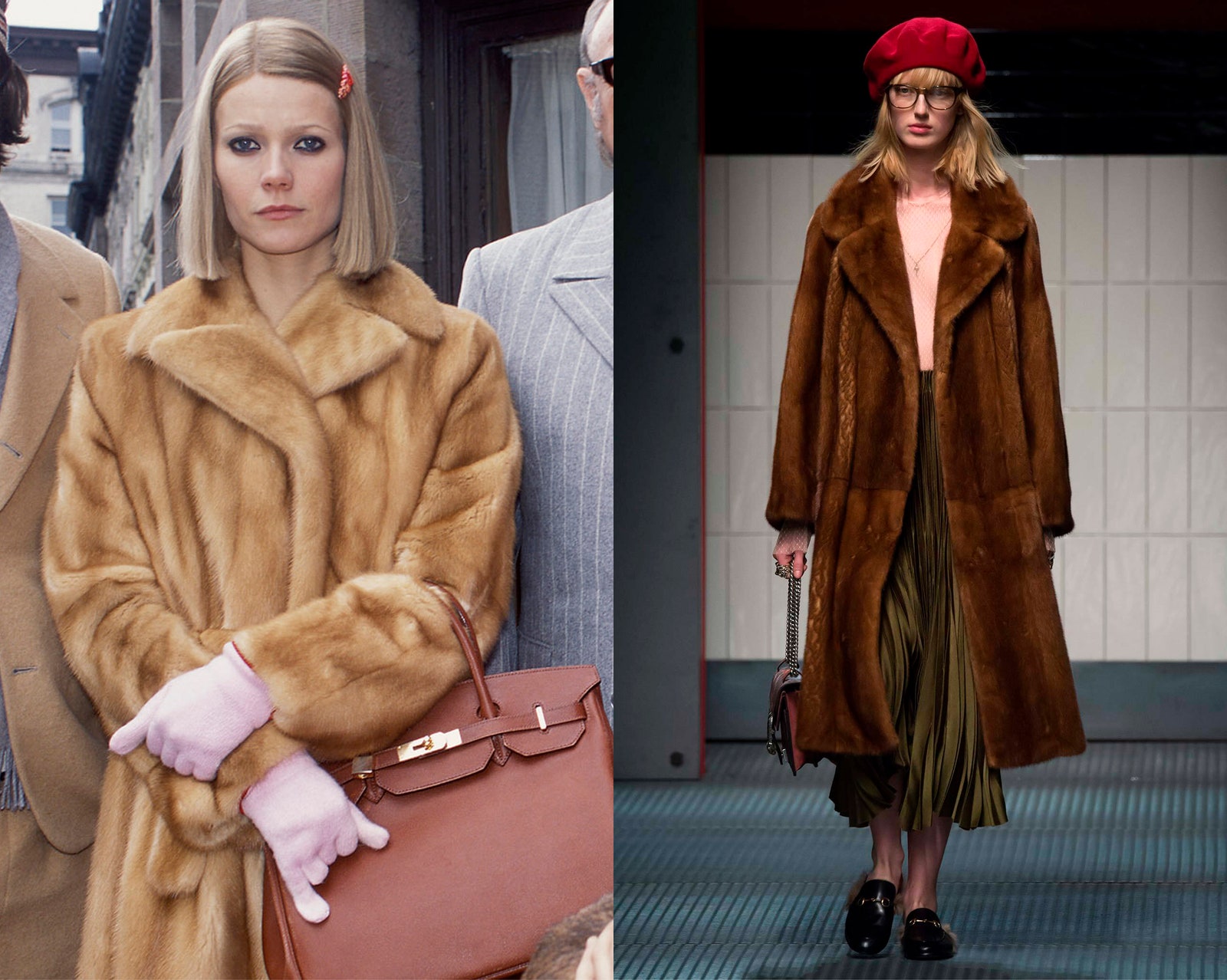
Margot Tenenbaum and a fall 2015
look from Gucci
Photo: Everett Collection/
Yannis Vlamos/Indigitalimages.com
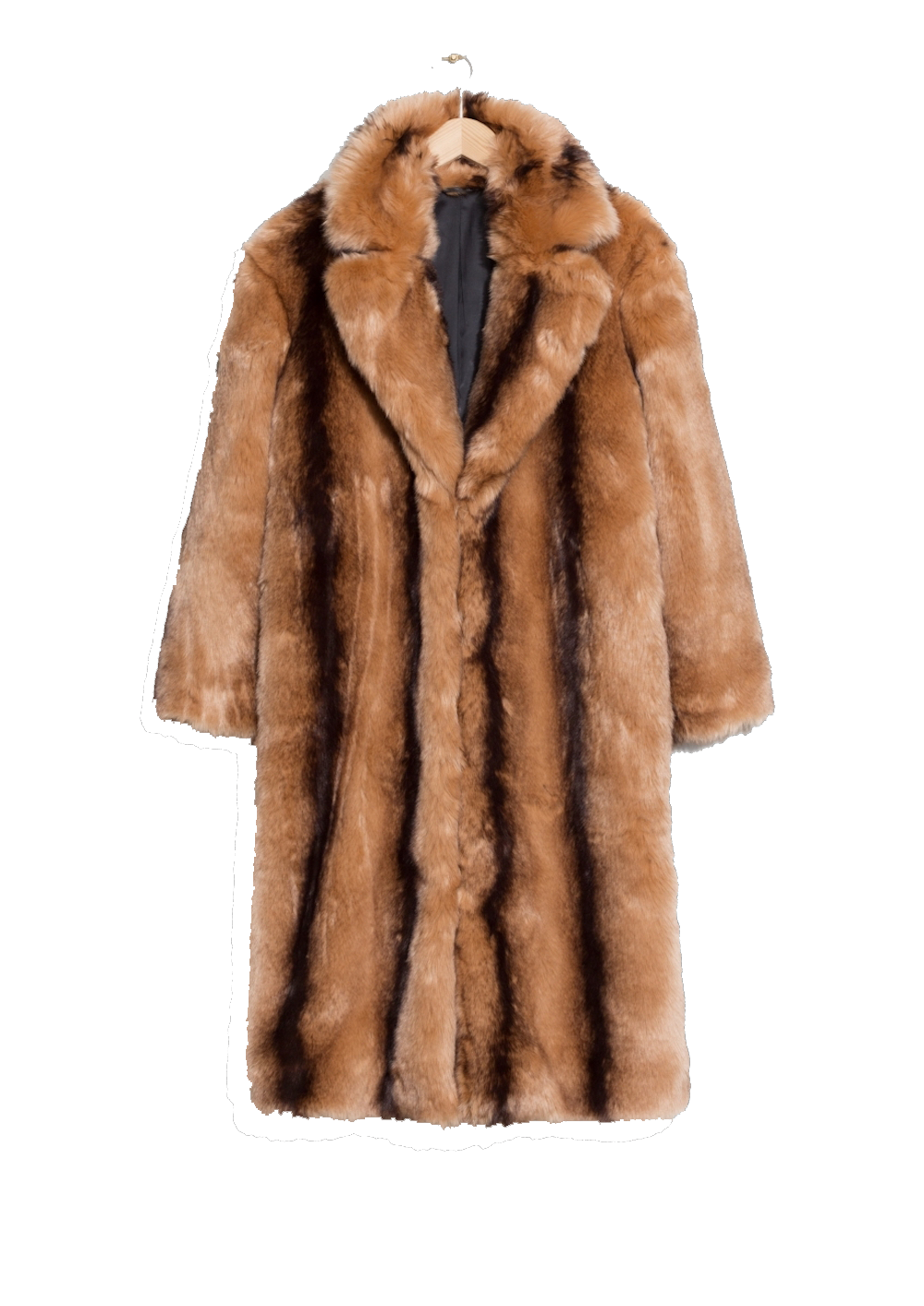
The most genius aspect of Margot’s style, in our eyes, is that she sticks to her signatures. The Tenenbaums are a wealthy family, but even so, Margot doesn’t dabble in excessive consumerism like she could. She rewears things, and she rewears them often. Take her signature mink coat: She sports it throughout the film, and in a flashback scene, she’s even seen wearing the same coat as a teen while telling the story of how she lost one of her fingers. (Spoiler: it was a freak wood-chopping accident.) Even her striped tennis dress makes a cameo a few times too.
She’s concrete proof that a refined uniform will never go out of style. This fall, we’re taking that to heart and thinking of outfits that can be reworn again and again as well. Margot would definitely approve— though she’d never tell you that to your face.
Below, more of Margot’s best looks from the film.
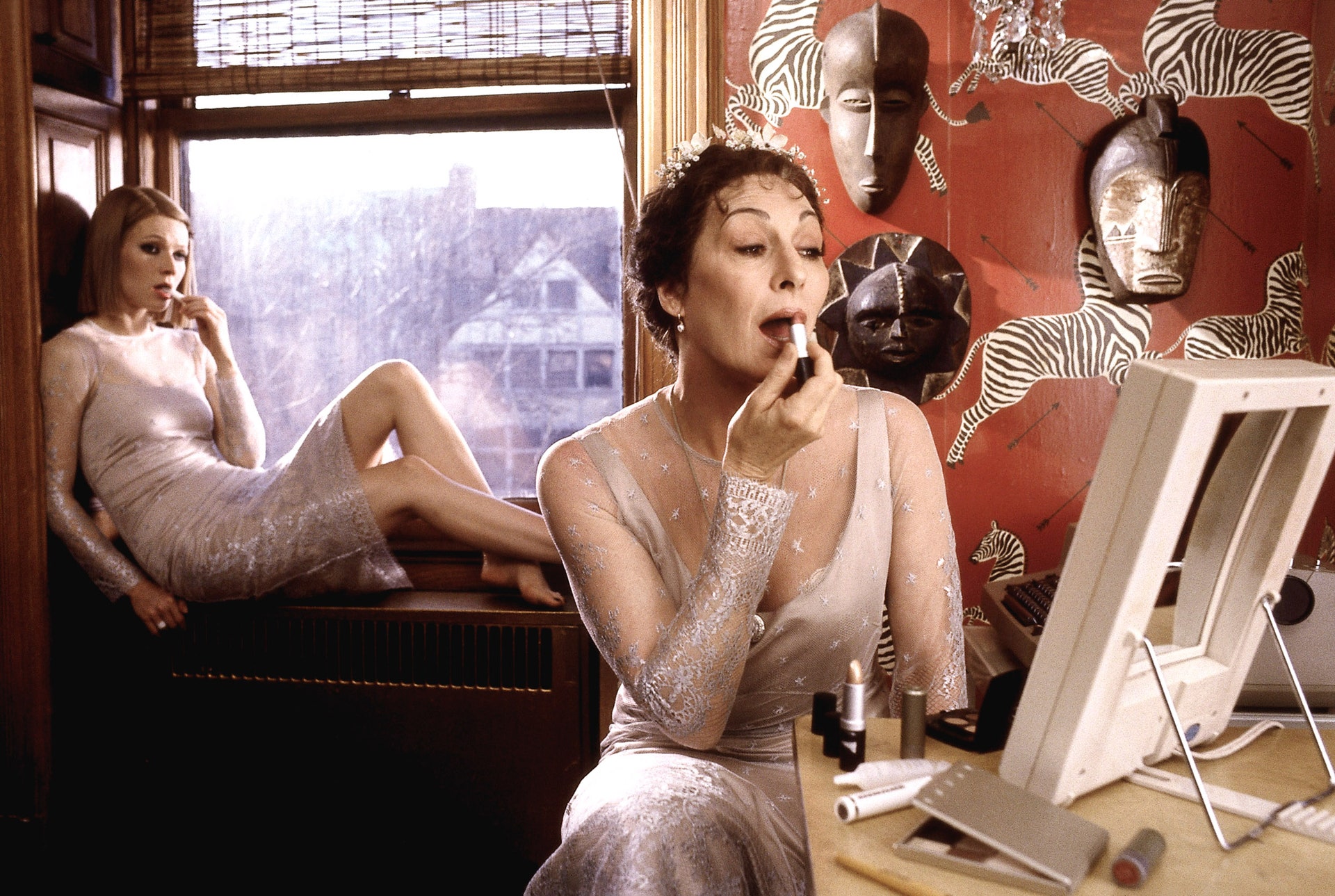
Photo: Courtesy of Everett Collection

BY CHRISTIAN ALLAIRE
05.10.2021
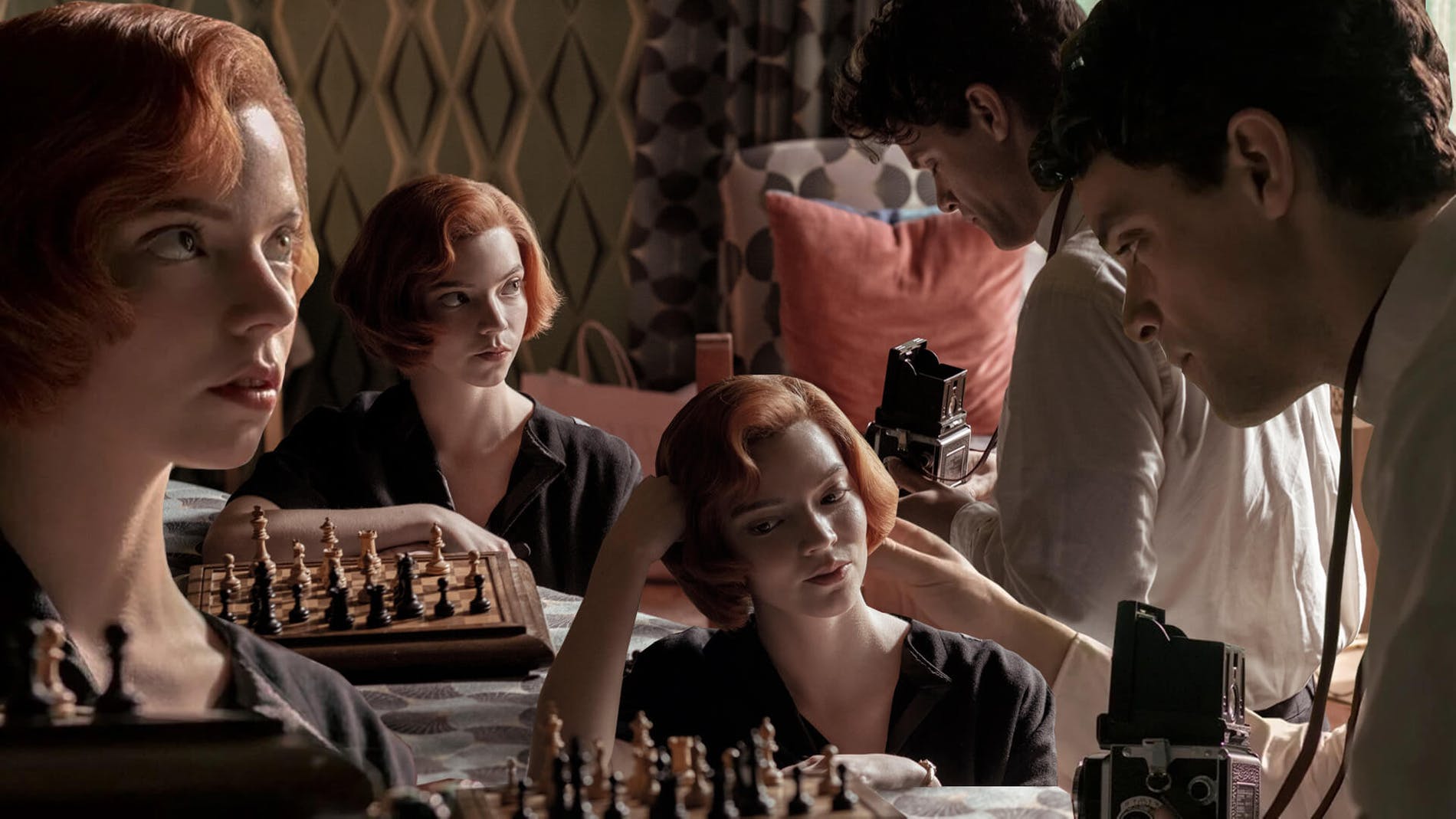

The Queen's Gambit is not only an inspiring story we want to believe but also a terrific guide to the style and aesthetics of the late ’50s, early and mid-60s. The creators of the series managed to transfer the viewer to the most iconic era for the history of fashion and design, and show a truly aesthetic picture.
As it often happens in the film, color scheme and lighting shape the general mood. They help the viewer read the feelings and emotions of the characters.
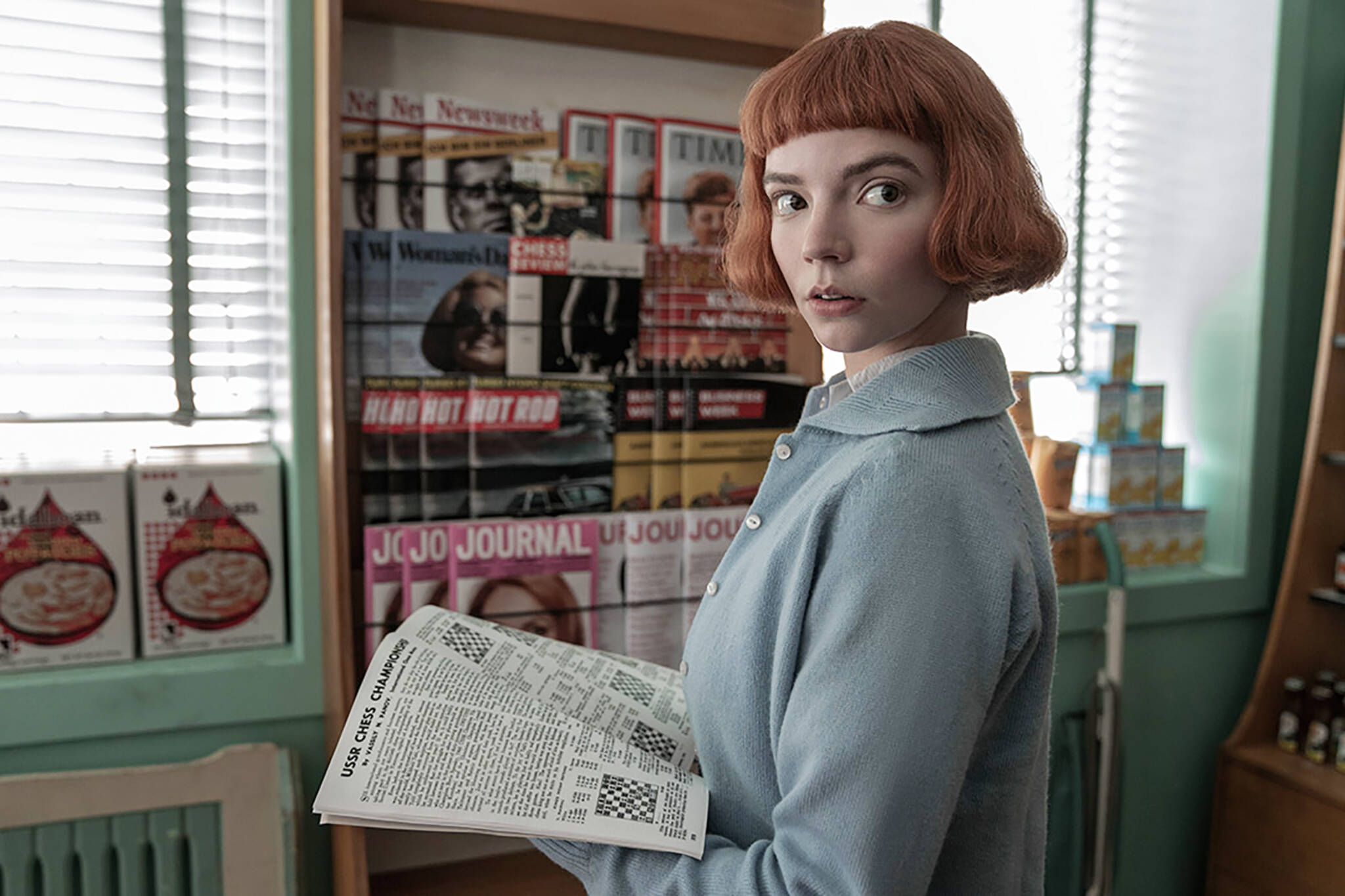
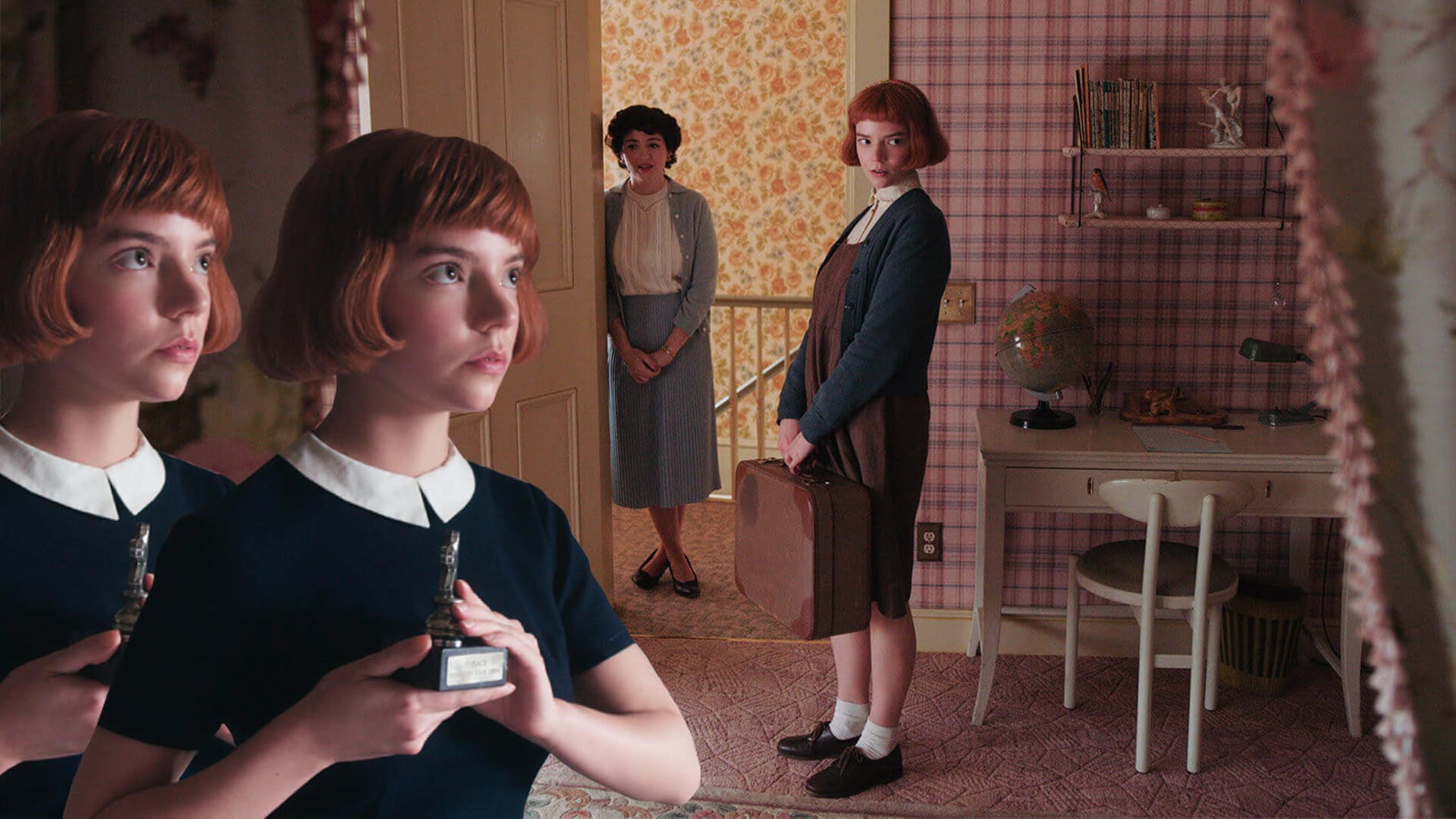
The series begins in a rather gloomy scenery of a girls' orphanage, gray, slightly "dirty" tones prevail in the frame. All shades are devoid of color saturation. Moreover, it concerns all the viewer sees around — from the interior to the uniform of the pupils. Even the redhead girl's hair does not look as bright as in the subsequent scenes outside the orphanage:
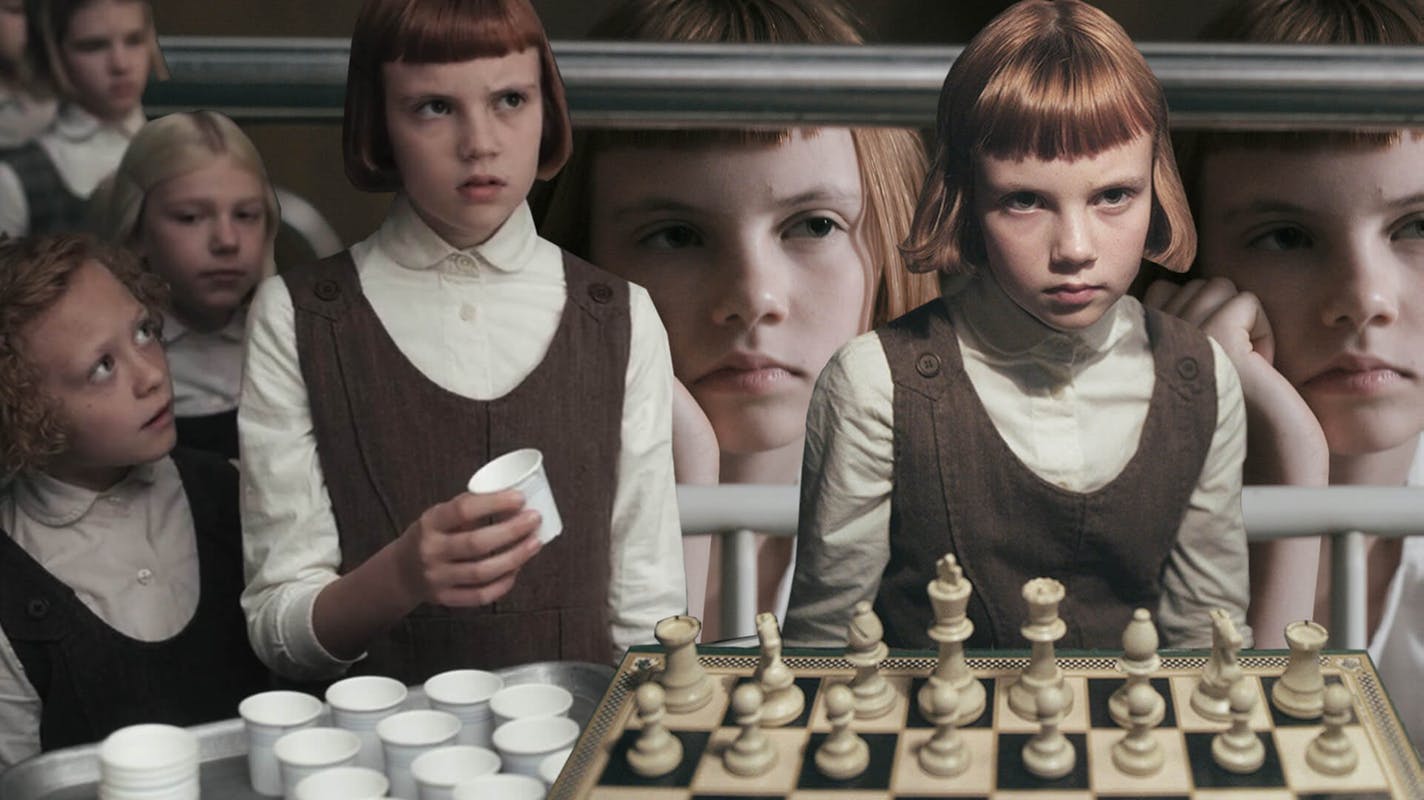
The Queen's Gambit © Netflix
Collage by Lesya Pakharyna
Starting from the second episode, when Beth finally finds a home, her life is filled with colors, the scenery around it becomes more vivid and saturated.
the same time, when the heroine feels vulnerable, for example when dealing with snooty classmates, these shots again suddenly lose color and become as gray as the scene in the orphanage for girls. Flashbacks associated with the bleak childhood and memories of the mother are also painted in dull colors.
But as soon as Beth finds herself in a comfortable environment — at chess tournaments, the scenery becomes more saturated and, what is very symbolic, has more warm colors.
In general, the colors of many of the scenes of the series are dominated by blue and dark-blue, blue-green hues — and it is certainly no coincidence. Blue and green are equally harmonious in emphasizing the yellow-orange colors, including the red hair of the main character. Due to this, Anya Taylor-Joy’s character looks advantageous within the frame.The interiors of the Queen's Gambit reflect the spirit of the era very well. The active use of ornaments in decoration and textiles is very characteristic of the 60s’ aesthetics, as well as then the 70s’. There are a lot of plant and flower patterns (especially in the kitsch interiors of Mrs. Wisley's house). More modern pattern variations of that period were geometric patterns on the wallpaper, such as prints in the form of rhombuses on the walls of the hotel in Las Vegas.
The main ornament of the series is, of course, the check. It is interesting how it jumps from the chessboard to the walls first — we see it on pink wallpaper in Beth's grotesque girlish room, and then on the clothes of the main character.
The Queen's Gambit © Netflix
Collage by Lesya Pakharyna
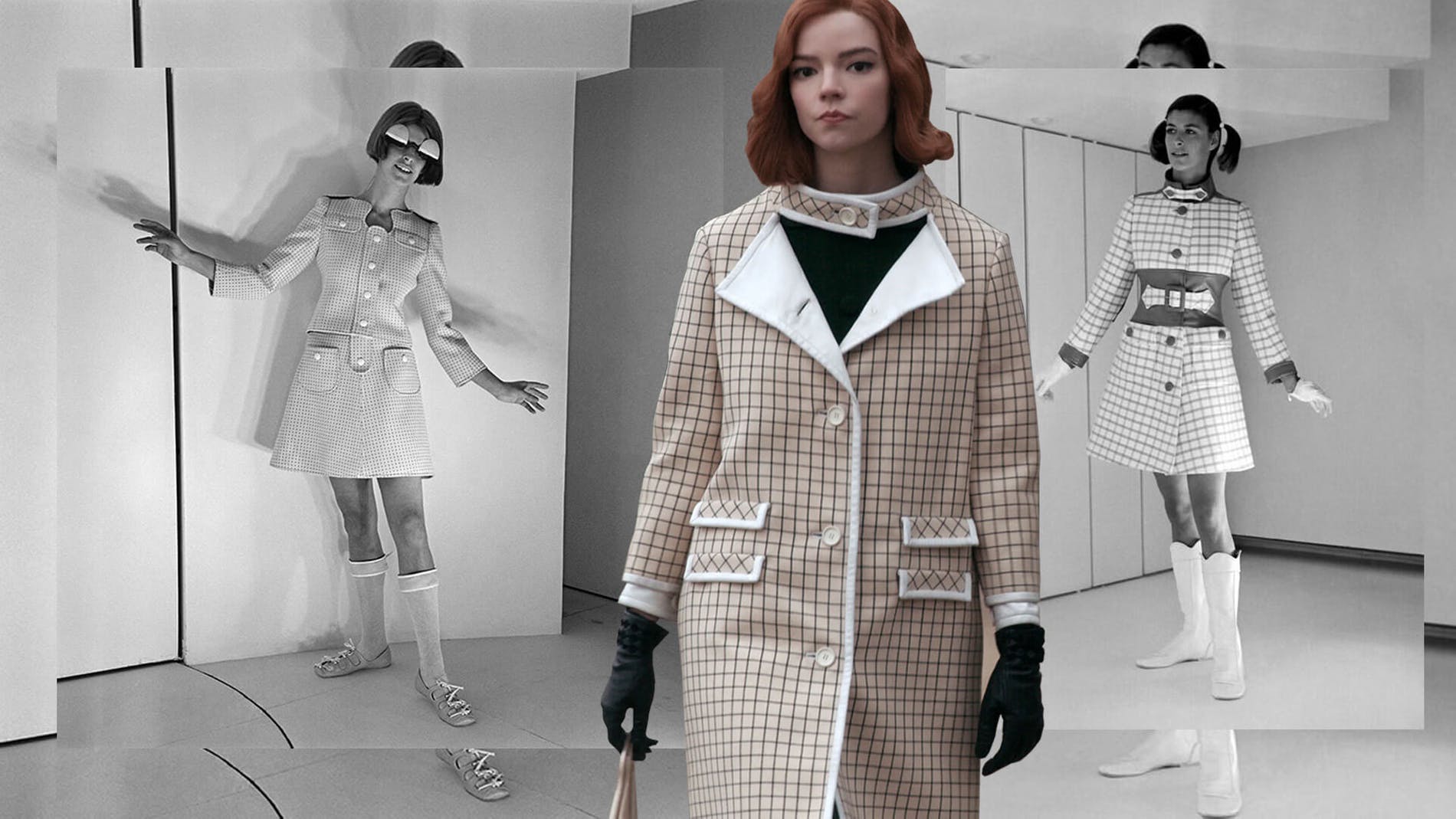
The most stylish of all "checked" outfits of Beth is featured in the last episode. For the final tournament, Gabrielle Binder chose a laconic check vintage coat with thin contours. The cut and the geometric print of the coat are very reminiscent of the French fashion designer André Courrez. The couturier was one of the first to use the op-art aesthetics (optical art originated in the 60s) in his collections.
The Queen's Gambit © Netflix
Collage by Lesya Pakharyna
Talking about op art, we should mention a small coffee table, featured in the renovated design of Beth’s house. The kidney-shaped table is typical for the mid-century era design. The rhythmic black and white print of its tabletop reminds the optical abstractions of the artist Victor Vasarely.
Special thanks to the production designers for the stunning car casting, truly legendary models of both the American and Soviet car industry got into the series.
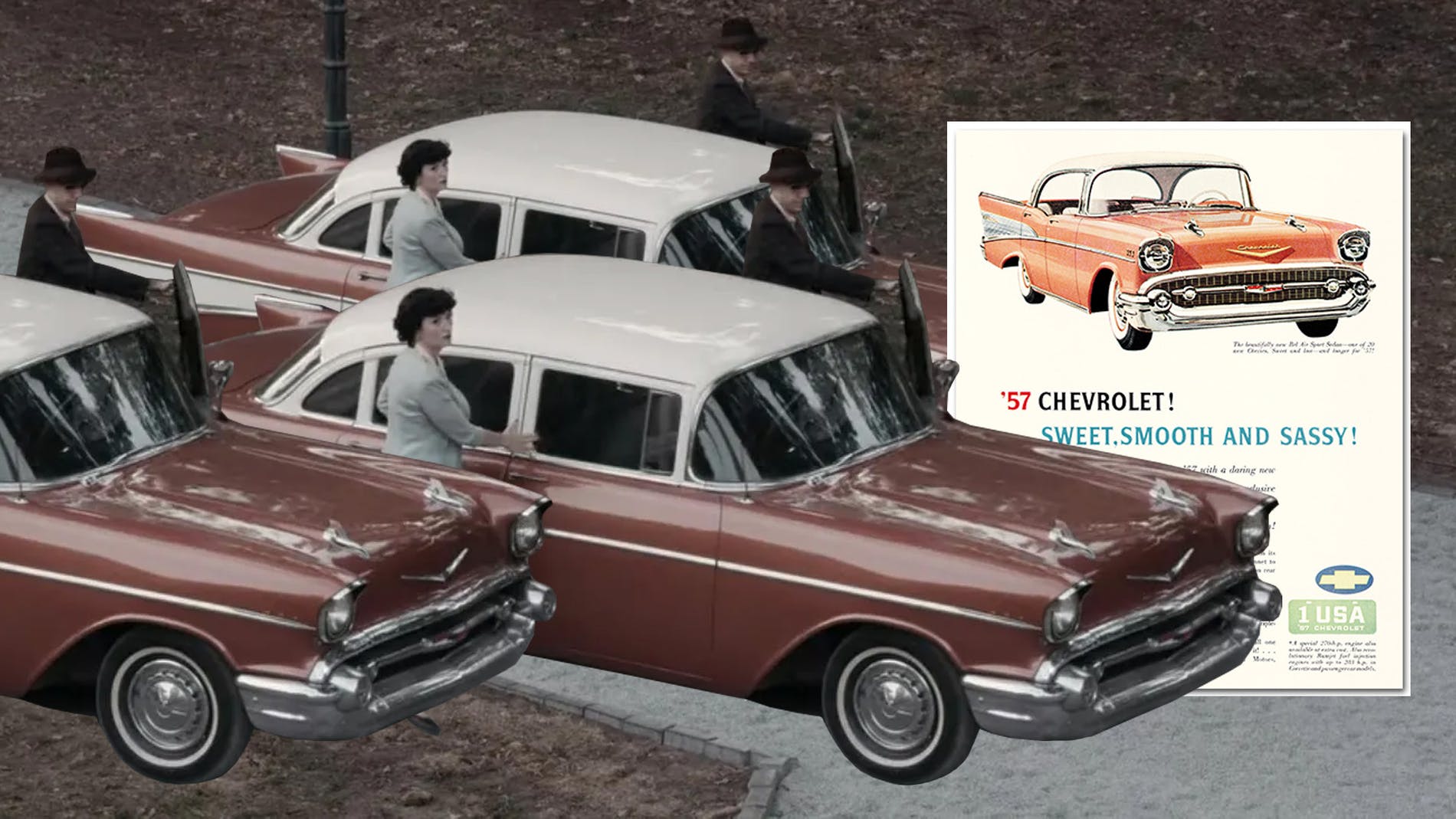
Future foster parents come to the girls' orphanage riding the legendary Chevrolet Bel Air 1957. The name Bel Air (in honor of the prestigious Los Angeles area) was not chosen by chance.
In post-war America, Chevrolet cars occupied the niche of some of the cheapest and most affordable ones. In 1950 General Motors decided to radically change the image of the brand and began to work on their technical specifications and design.
Since 1953, the top Chevrolet models have been given the Bel Air prefix. Today, retro cars collectors put the Chevrolet 57 in the same row with the no less legendary Cadillac’59.
The Queen's Gambit © Netflix
Collage by Lesya Pakharyna
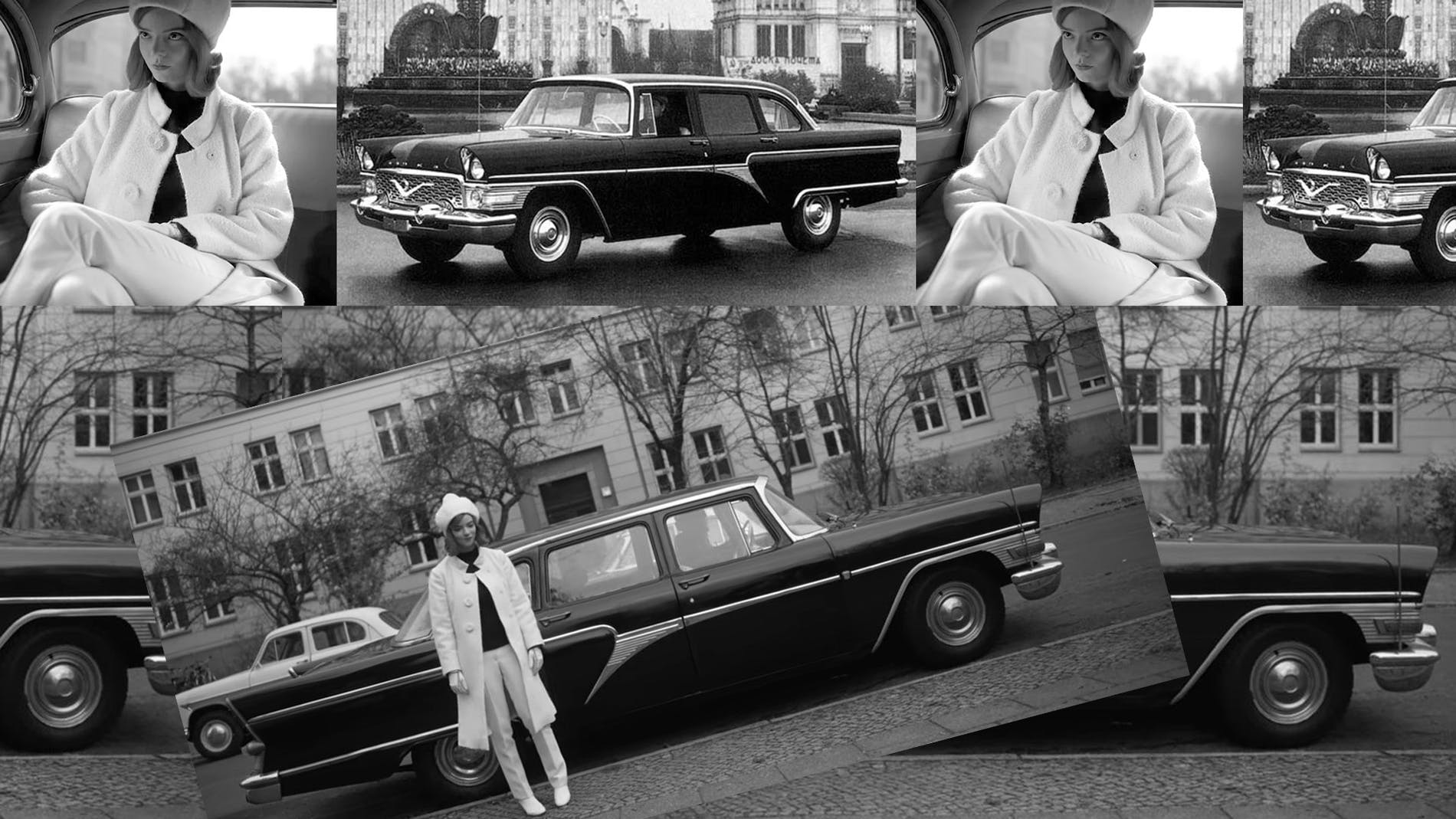
In contrast to American cars, the most status car of the USSR appears in Moscow scenes — the GAZ-13 Chaika, produced from 1959-1988.
no secret that the American cars Packard Caribbean and Packard Patrician of 1956 became the prototype of the Chaika. The Soviet Union purchased these models to study them, which resulted in partial borrowing of the design of American "samples".
The Queen's Gambit © Netflix
Collage by Lesya Pakharyna
Nevertheless, the Chaika did not become a complete copy of Packard, the Soviet model had a number of differences and innovations. For example, the emblem on the Packard grille has the letter V, referring to the V8 engine, while the Chaika has the letter V turned into a flying bird.
The Chaika was exclusively produced in black, which gave it a much more strict look in comparison with the wide color palette of American cars. But the most important difference of the Soviet car is that it was impossible to buy for ordinary citizens. It was a governmental vehicle that was used to service high-ranking officials. The Chaika was often provided for meeting important guests, so Beth Harmon could ride it if she was a real person.
In the seemingly unremarkable dining room, where Beth competes with Benny Watts in rapid chess, you can notice the DSX Fiberglass Chair. These chairs were designed by the American design couple Charles and Ray Eames in 1950.
The first letters of the abbreviation stand for D (dining) and S (side), but what is X?
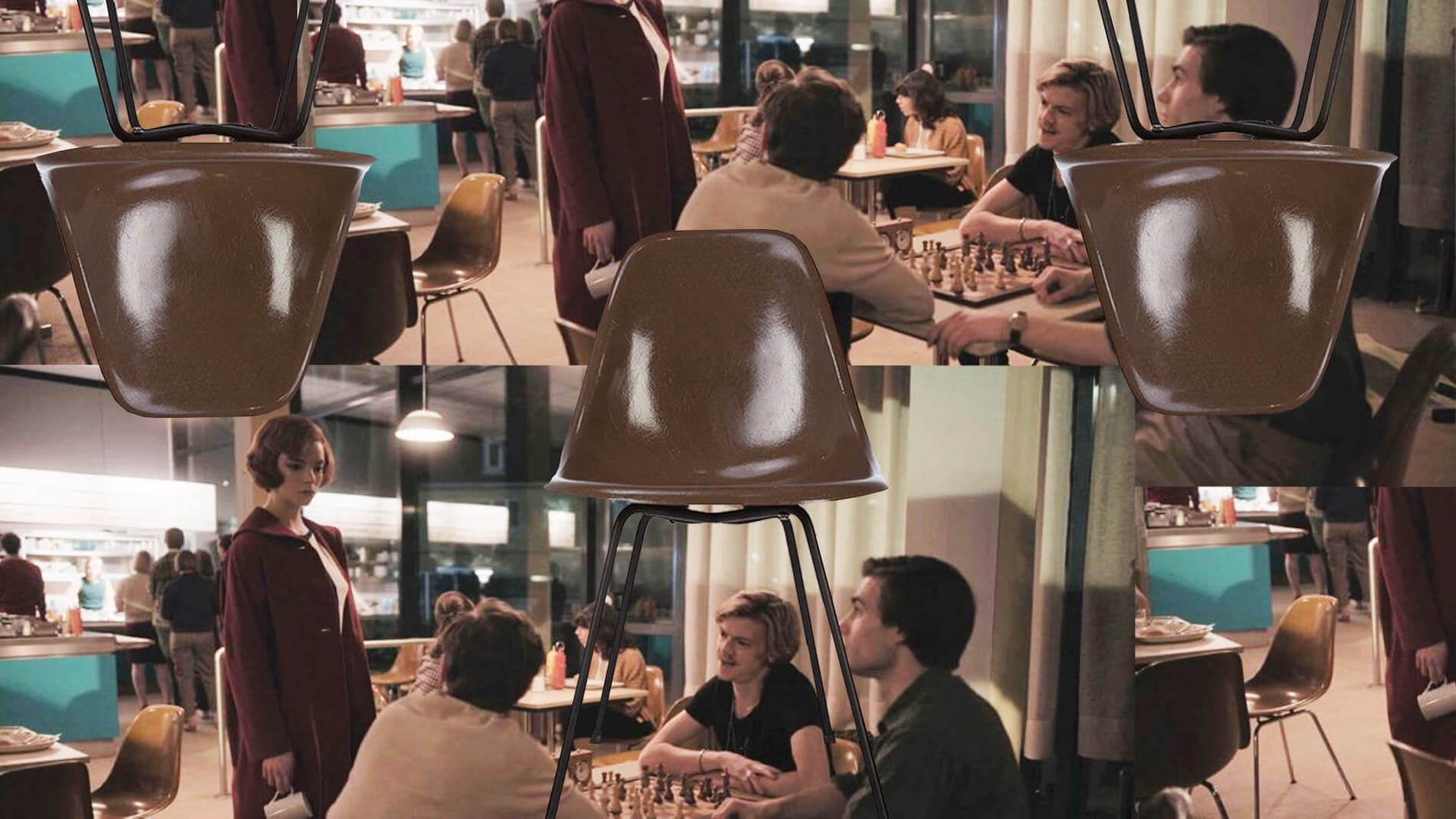
The Queen's Gambit © Netflix
Charles & Ray Eames
Collage by Lesya Pakharyna
X is a reference to the cruciform shape of the base and the attachments of the chair legs. It is interesting how the shape of the chair base was changed and acquired the geometry of the letter H in 1954. But despite the transition from X to H, the DSX name has been preserved in the memory of the original design.
In the 1950s, no fancy kitchen was complete without a flashy, streamlined, colorful refrigerator. This is exactly what appeared after the renovation of the interior in Beth's kitchen — a bright orange Hotpoint refrigerator.
By the way, the design of the refrigerator refers to the Streamline Moderne style, which originated in the US in the 30s. At that time, all industrial objects were created in streamlined aesthetics — from cars and trains to toasters and refrigerators. The streamline was characterized by the replacement of sharp corners with smooth, aerodynamic, and bright surfaces.
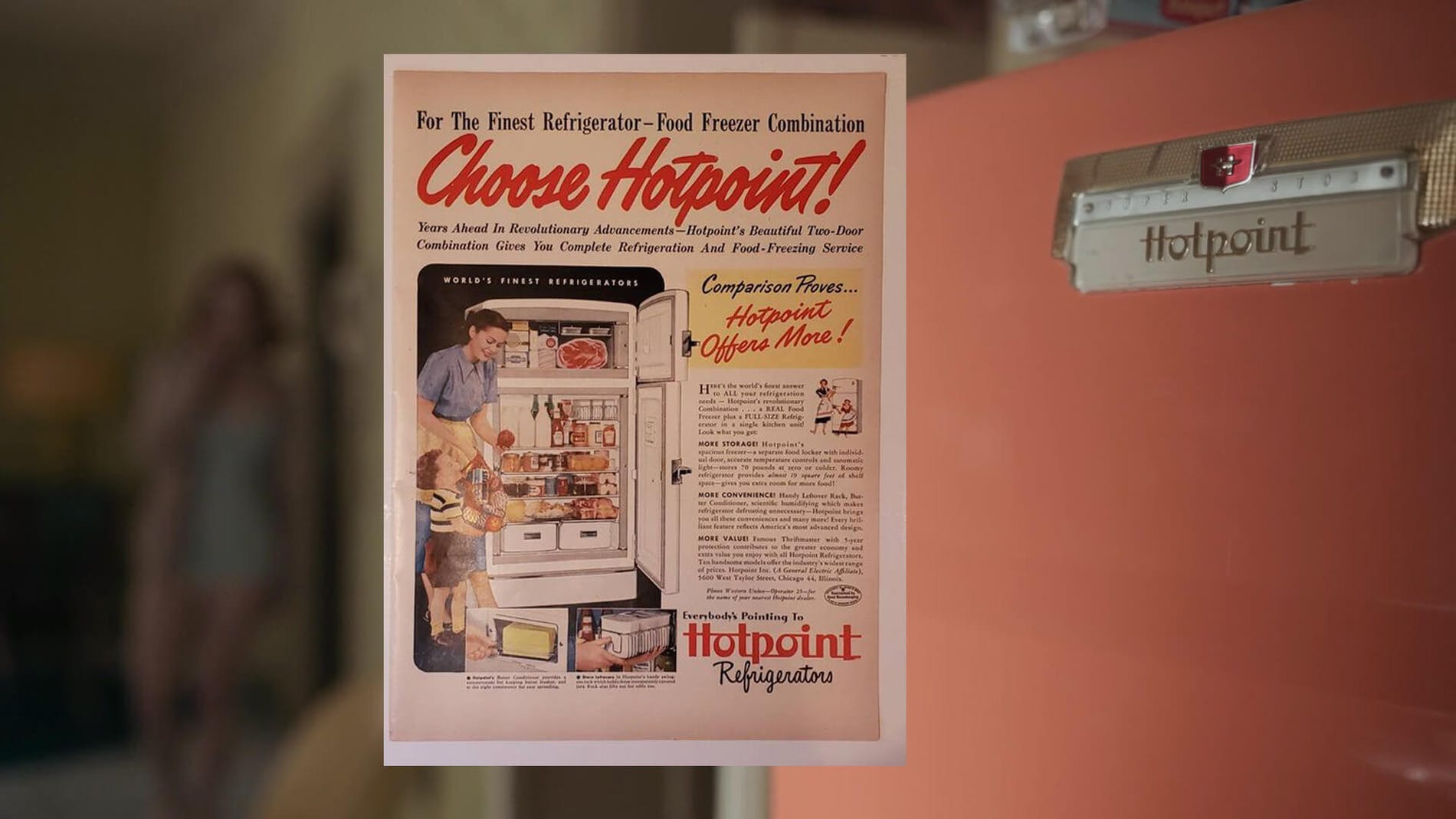
The Queen's Gambit © Netflix
Hot Point
Collage by Lesya Pakharyna
You can also see the iconic transformer lamp by the Danish brand Gubi in a scene of a hotel room in Las Vegas.
It is organically integrated into the interior, so it seems impossible to suspect that the designer Louis Weisdorf actually created the Multi Lite Brass only in the early 70s. But we forgive the designers of the series for this small leap into the future for the sake of a tribute to the legendary Scandinavian brand.
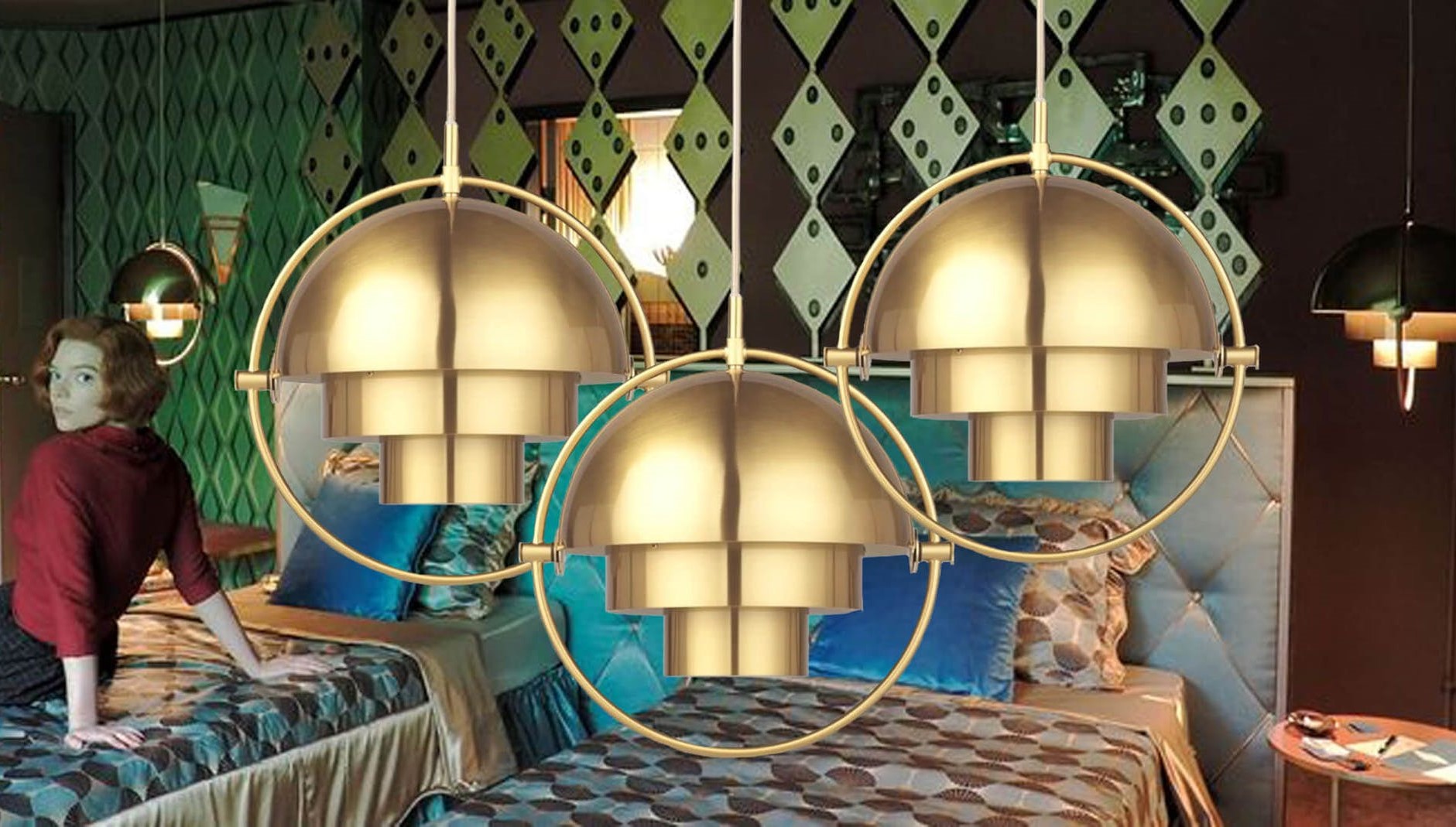
The Queen's Gambit © Netflix
Hot Point
Collage by Lesya Pakharyna
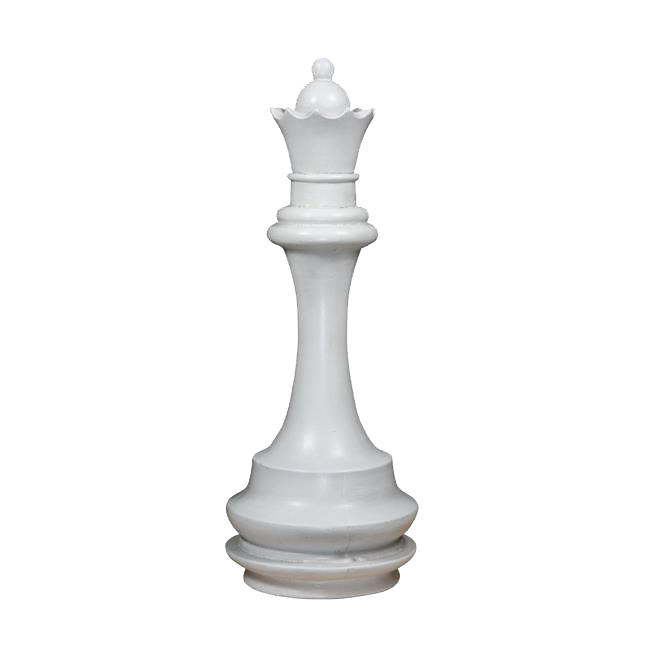
The 60s was a bright era that combined very different tendencies and trends. Every girl can choose the role, which would fit her lifestyle and create a fitting image — elegant, bohemian, rebellious, hippie, and so on.
short haircuts were contrasted with lush styling in the spirit of Brigitte Bardot. It is also about dresses and skirts with a garish waist of straight or trapezoidal models, as in the collections of the above-mentioned André Courrez.
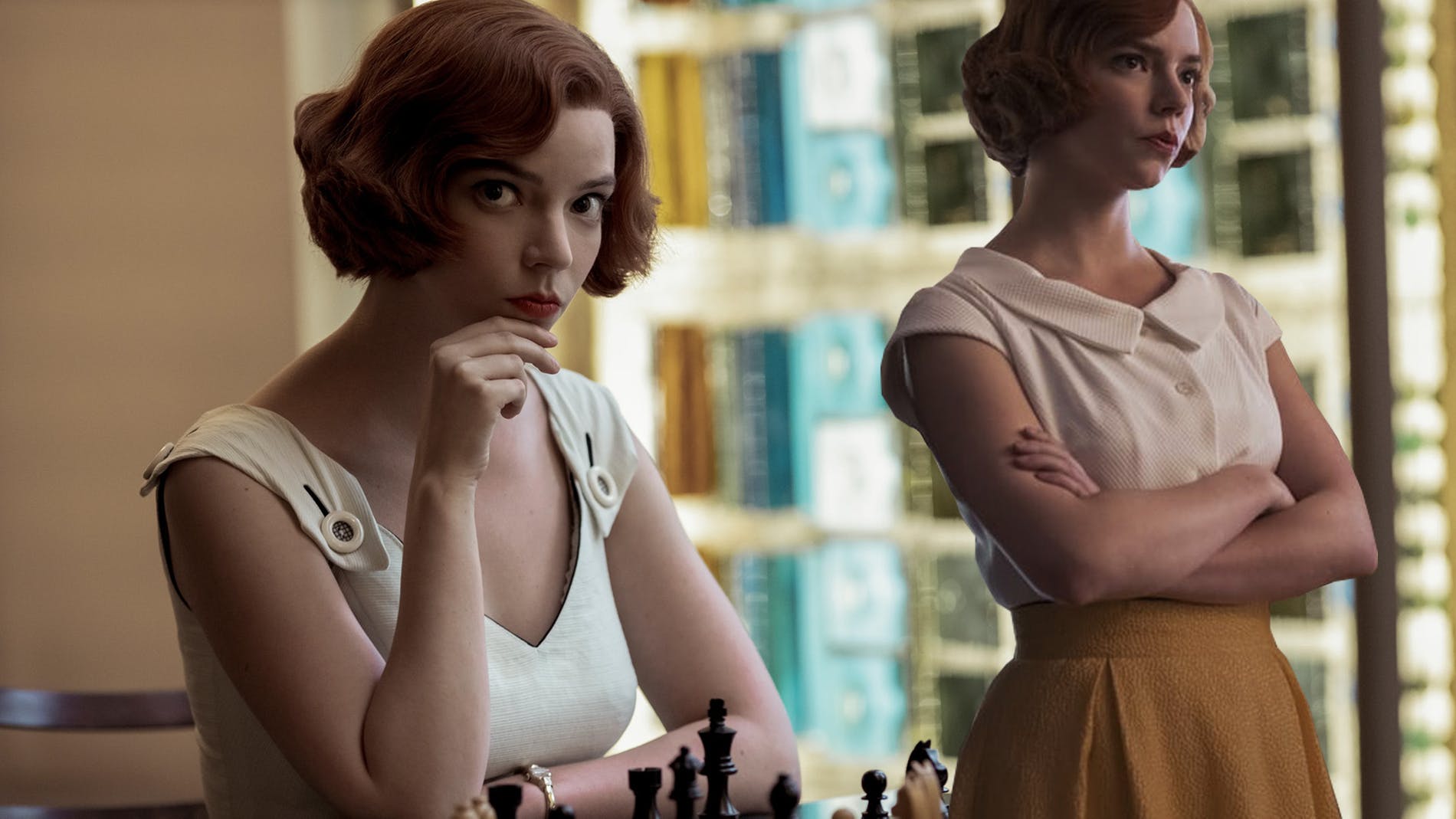
As the plot develops, the main character gradually changes, together with her style, which can be seen through the various images of Beth.
The Queen's Gambit © Netflix
Collage by Lesya Pakharyna
For most of the series, the main character appears in classic cuts, emphasizing her femininity, and in tune with such 60s style icons as Audrey Hepburn and Jacqueline Kennedy.
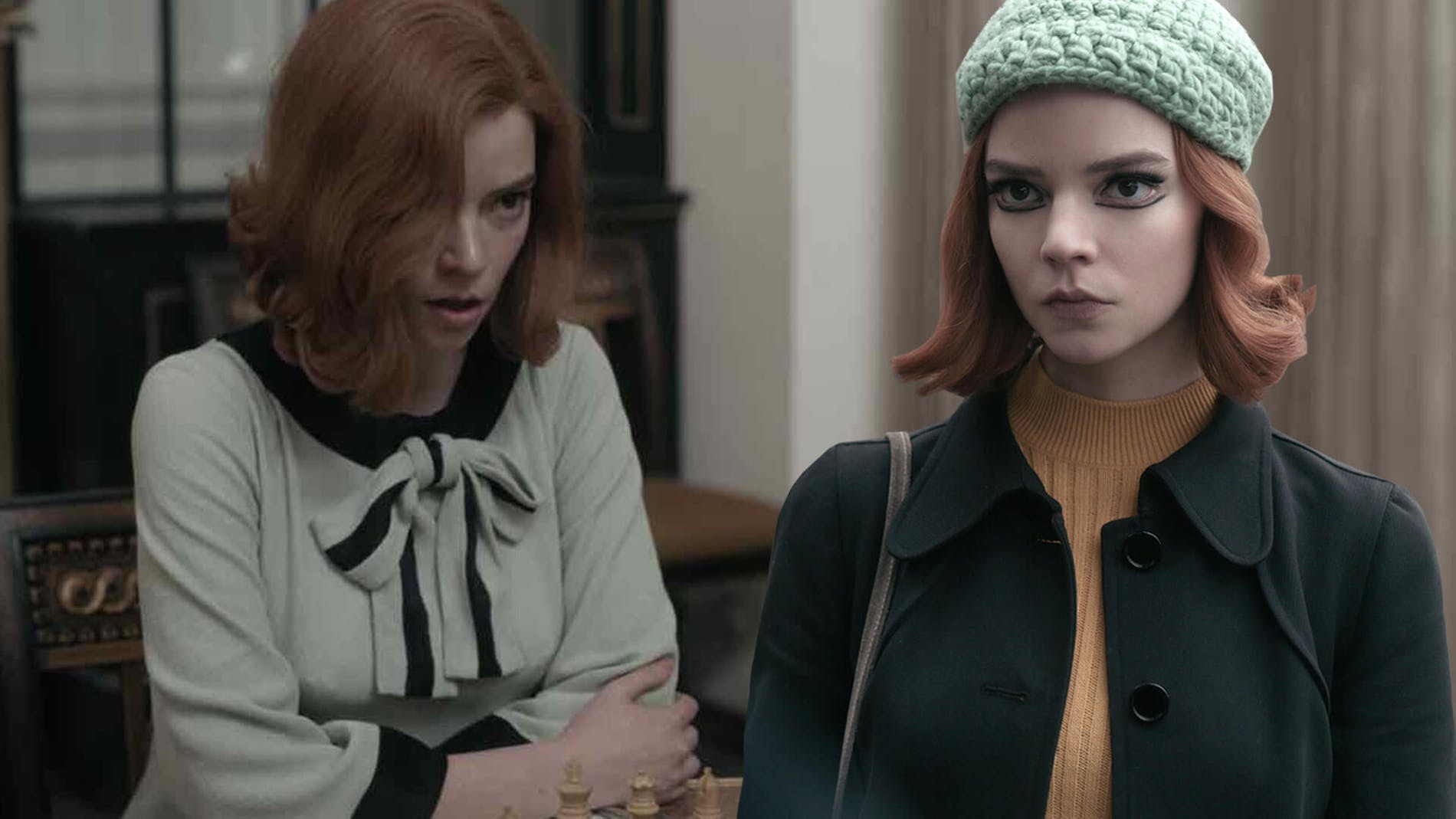
At the same time, during her period of mental breakdown, Beth tries on the image of a rebel through daring makeup — double arrows and lush false eyelashes are an obvious reference to the image of Twiggy.
The Queen's Gambit © Netflix
Collage by Lesya Pakharyna
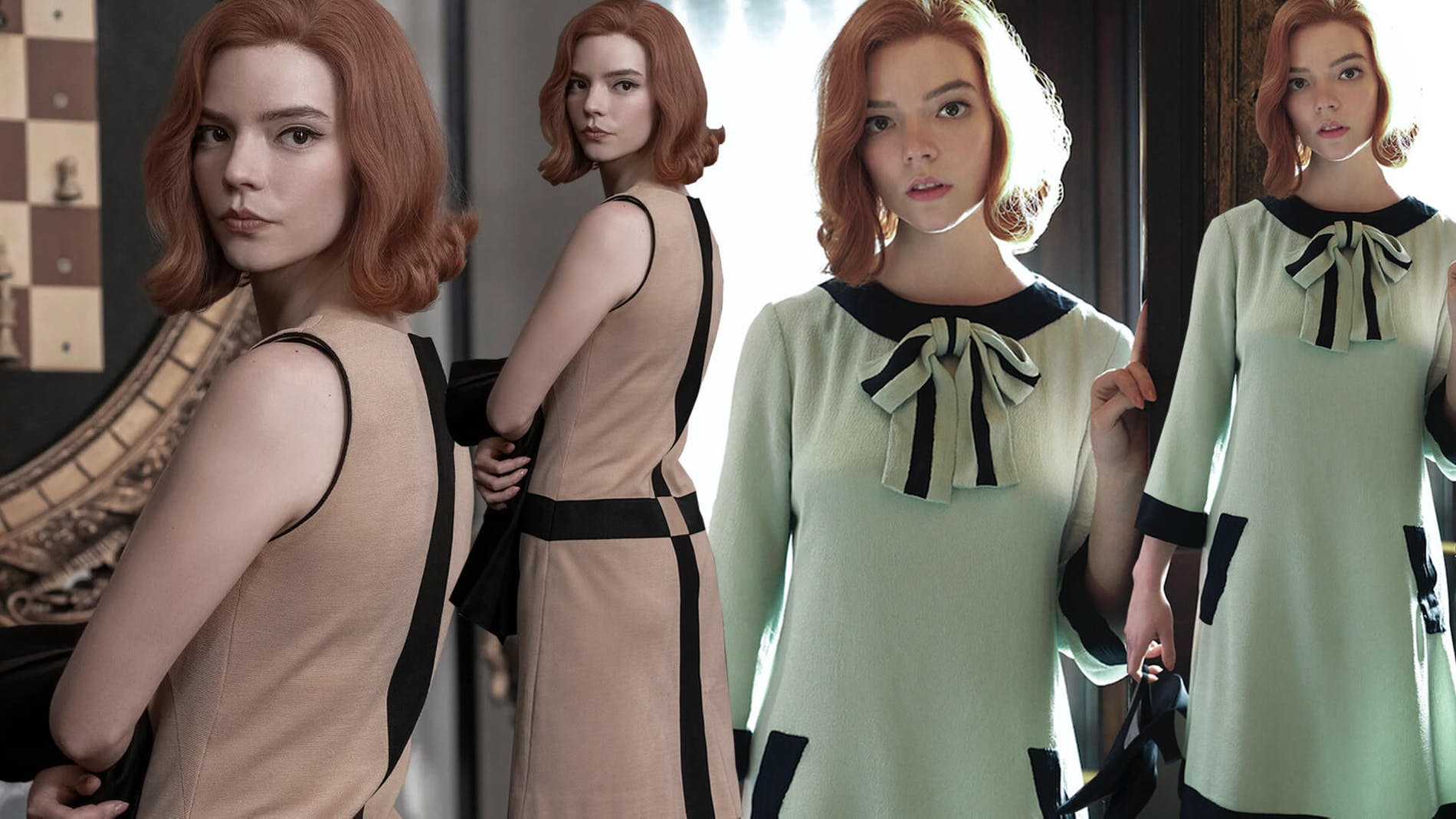
Each look of the main character vividly reflects the era and is attractive in its own way. In my opinion, one of the most stylish and striking appearances of the heroine in the series is in an elegant knitted dress that Beth wore to a tournament in Paris. According to the costume designer Gabrielle Binder, the design of this dress is an homage to Pierre Cardin.
The dress emphasizes the girl's shape due to the cut and its black graphic stripes following the curves of the body.
The Queen's Gambit © Netflix
Collage by Lesya Pakharyna
BY NATASHA TSI
12.07.2020

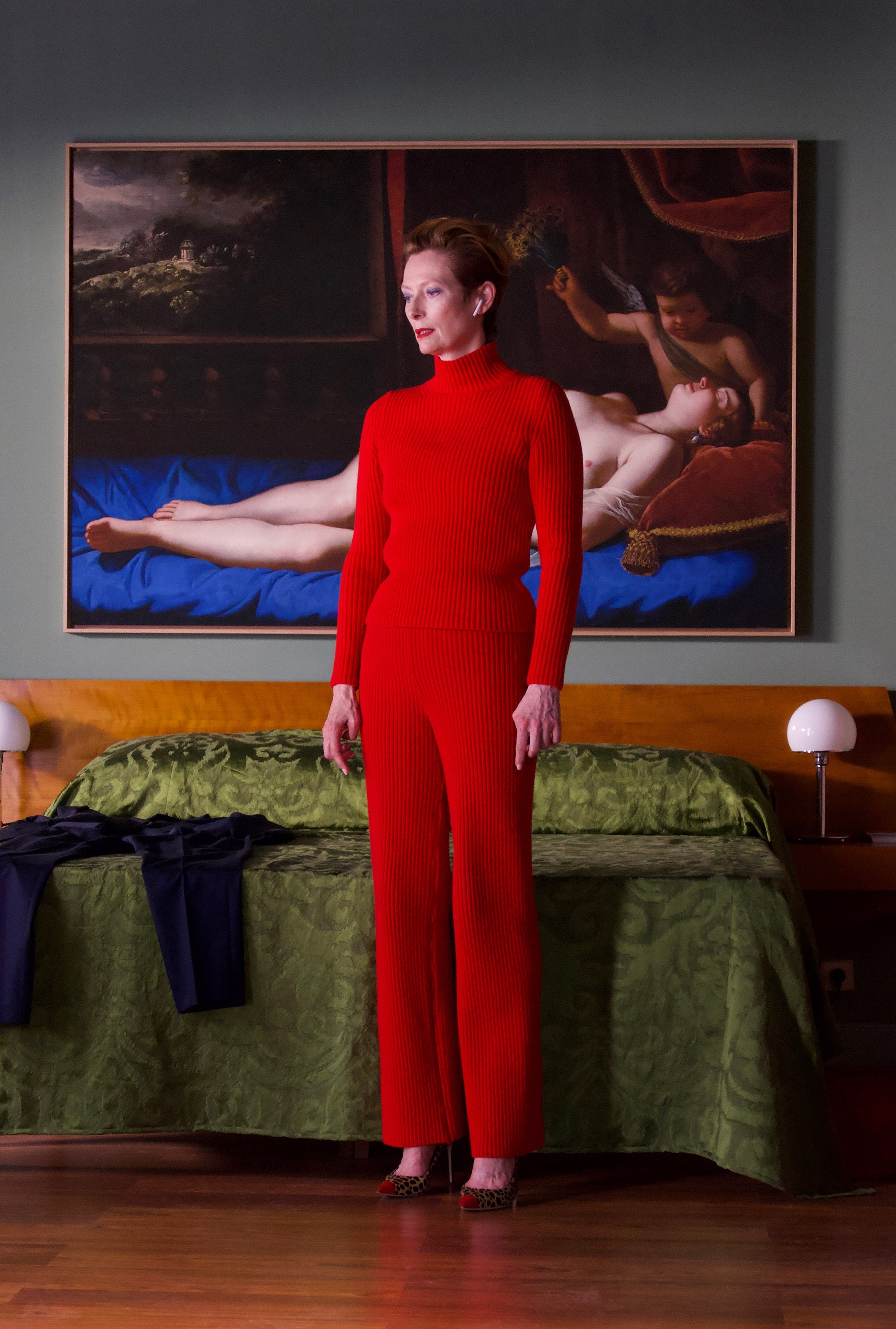
You could say that "The Human Voice" - Pedro Almodóvar's short film - is a film about a woman (Tilda Swinton) who is abandoned by a lover and her mind is preyed upon inside her small apartment. You could also say that this is a film about cinema, and about making cinema, that deliberately seeks to blur the line between what happens on screen and what happens in real life. Granted, the set is presented to us, the viewers, time and time again from the "wrong direction" - thus exposing the entire set, as in the theater - but at times it is also difficult not to wonder whether Swinton is speaking from her character's throat or from her own.
And you could say - and this is of course my favorite option - that this is also a film about fashion. In a remarkably concise 30 minutes, Almodóvar, with the fashionista Swinton, manages to touch on so much theory of fashion and material culture studies that for a moment I even wondered if it would be better for me to screen the film for my students in the Introduction to Theory of Fashion course instead of 14 lessons.
This is Almodóvar's most elegant film to date, an artistic decision that allows him to turn fashion from a background material that is commonly used as one of the means of characterization, into an essential part of the plot. It is impossible not to notice her, and it is impossible not to wonder about her role in the film as the important supporting actress in it.
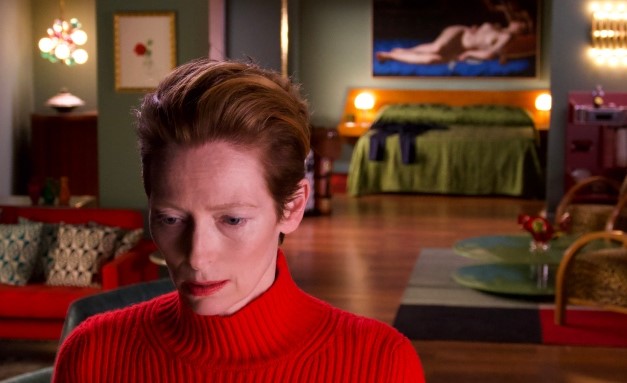
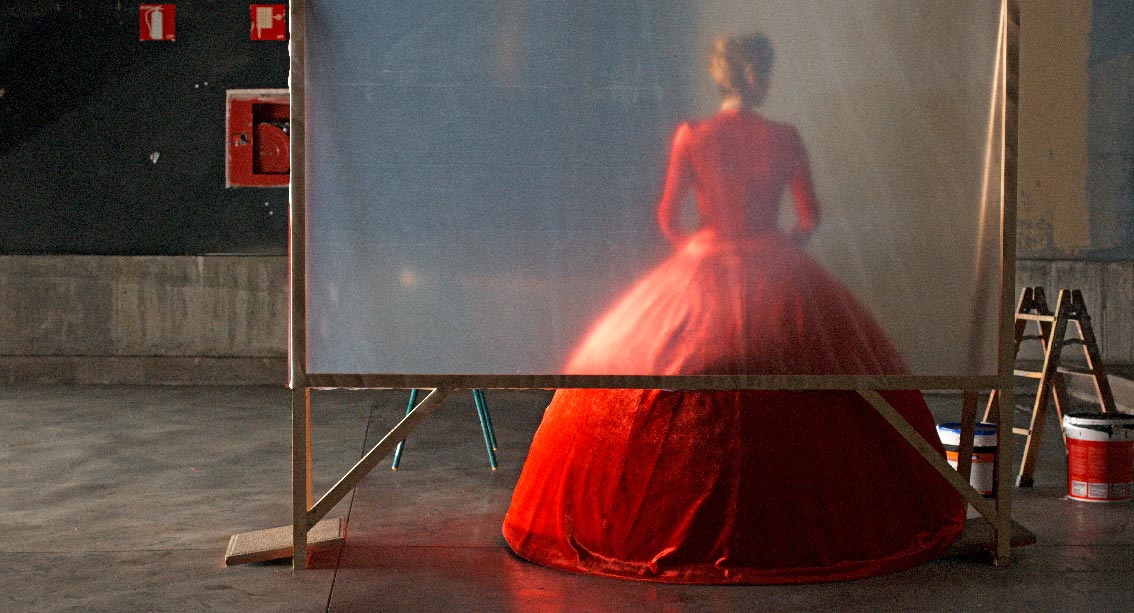
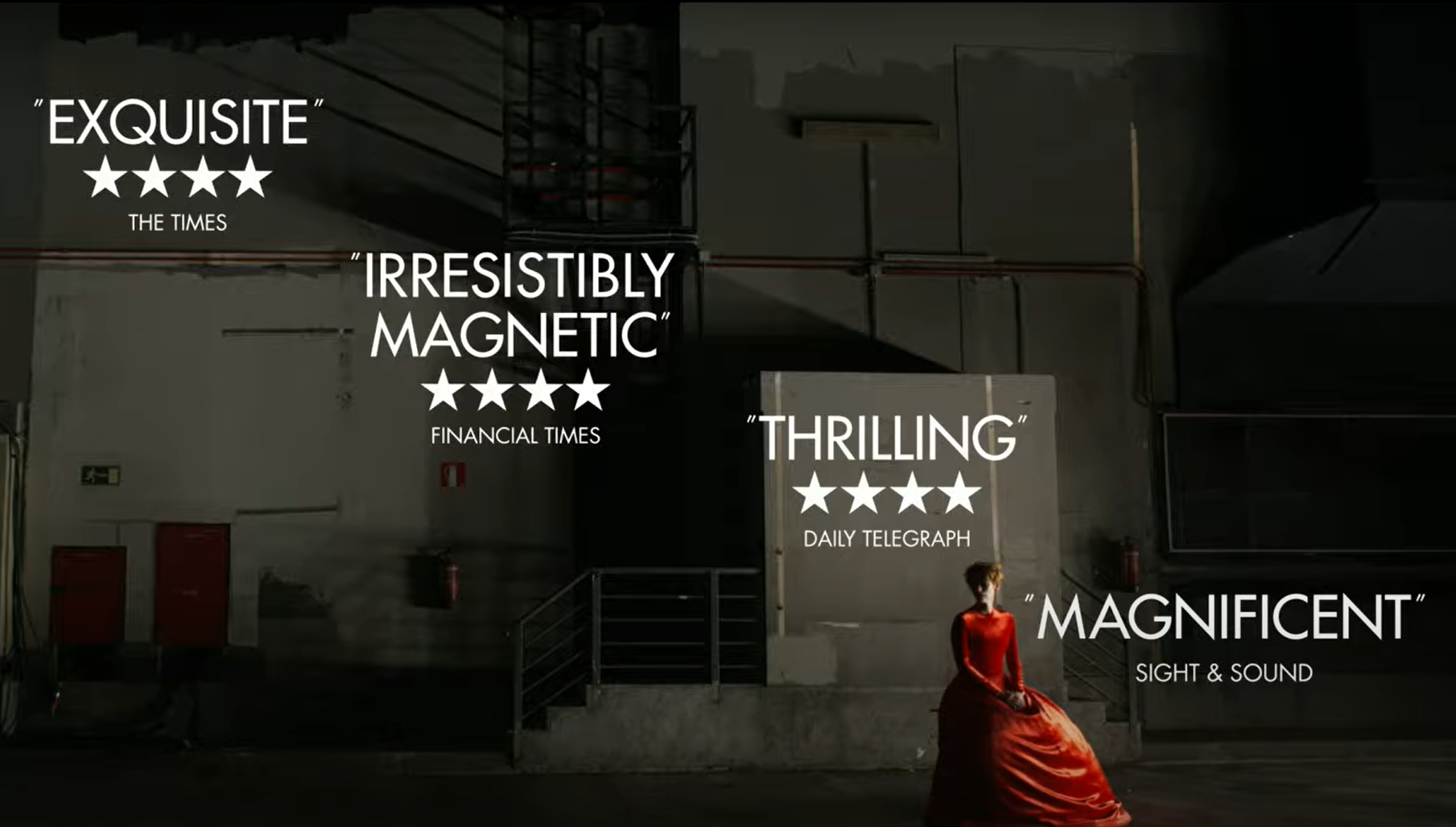
And fashion, fashion in Capital F, is present in the film from the first moment. Swinton is injured on a gray and industrial background wearing an evening gown made of Balenciaga velvet. But this is not just a red evening gown. Her huge skirt, which seemed to be stretched on a balloon, is deliberately reminiscent of 19th-century crinoline-reinforced prom dresses.
The Human Voice, Almodóvar's new (and short) film, is an amusement park of designer clothes and madness; The director's most spectacular and materialistic film, which not only makes fashion a major actress, but also clarifies why beautiful clothes can save from death.
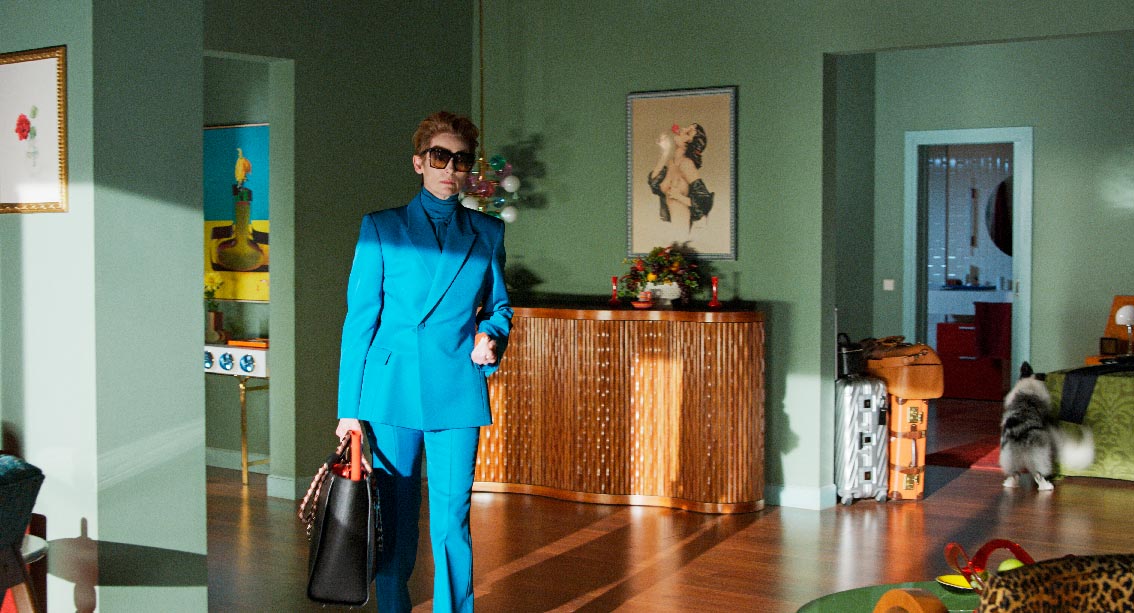
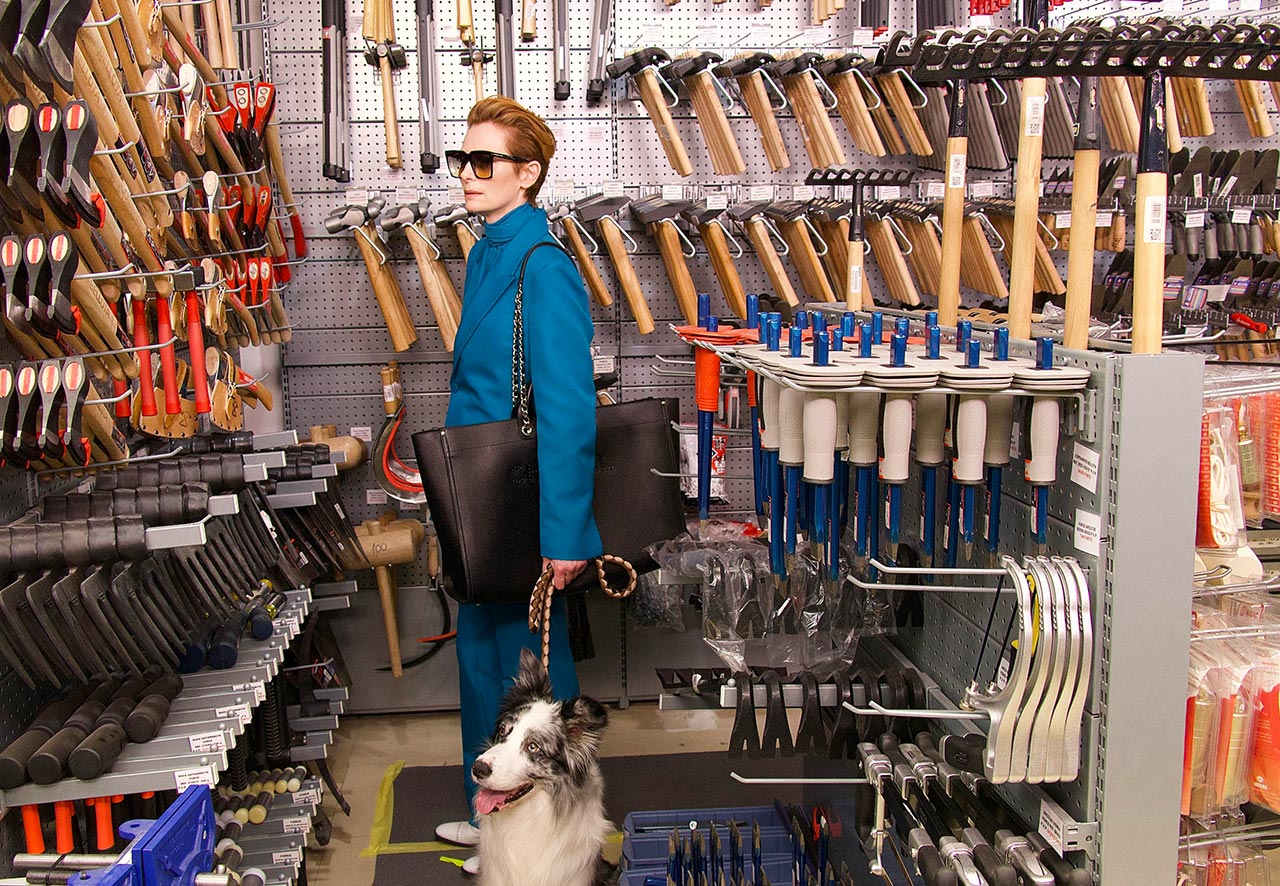
This wild excess, which repeatedly exceeds the average life, characterizes the entire film. Not only because it's loaded to the brim with luxury brands (items by Dries van Nooteen, or Chanel, pop up at any moment; even Alomodovar himself hurts in the opening of a movie in a Lova jacket), but also by the way the protagonist treats these items. In a film that is almost devoid of additional characters, and the dialogue at its center also seems to moments like a long monologue, the beautiful clothes and objects - some breathtaking, served as tuffs of style - embody its companions.
The truth is, if Swinton had been dressed in average clothes, and conducted in an average environment, it is doubtful that the audience would have given any thought to the fact that she was even dressed on screen. And this is not a coincidence. Dressing is such an everyday activity, and "ordinary" clothes are around us all the time, that we usually do not pay special attention to them. They become a kind of background noise.
In general, as a culture, we often try to downplay their importance, hence the common saying, "Do not look at the jar," or the relentless urge of religion to emphasize spiritual significance at the expense of the material. We pay special attention and interest to what we wear or to what others, only when something does not quite align with the familiar pattern.
The Human Voice 2021
The Human Voice 2021
Fashion becomes from a background material that is usually used as a mean of characterization, to an essential part of the plot. It is impossible not to notice it, and it is impossible not to wonder about its role in the film as the important supporting actress in it. And fashion, Fashion in Capital F, is present in the film from the first moment.
And Almodóvar does not allow us to evade fashion this time. He forces us to deal with it. The fashion in the film is almost pornography of personal style, contemporary fashion and brands. Beyond being a visual delight, the protagonist is busy with objects and clothes all the time. Apparently they do a lot for the protagonist; She depends on them, touches them, experiences them, wears them, packs them. She's even trying to destroy them. Unlike the rest of the world that surrounds her, about which we know almost nothing and are not exposed to - the film actually puts her conduct with fashion under a magnifying glass. The interaction of the two is at its peak throughout.
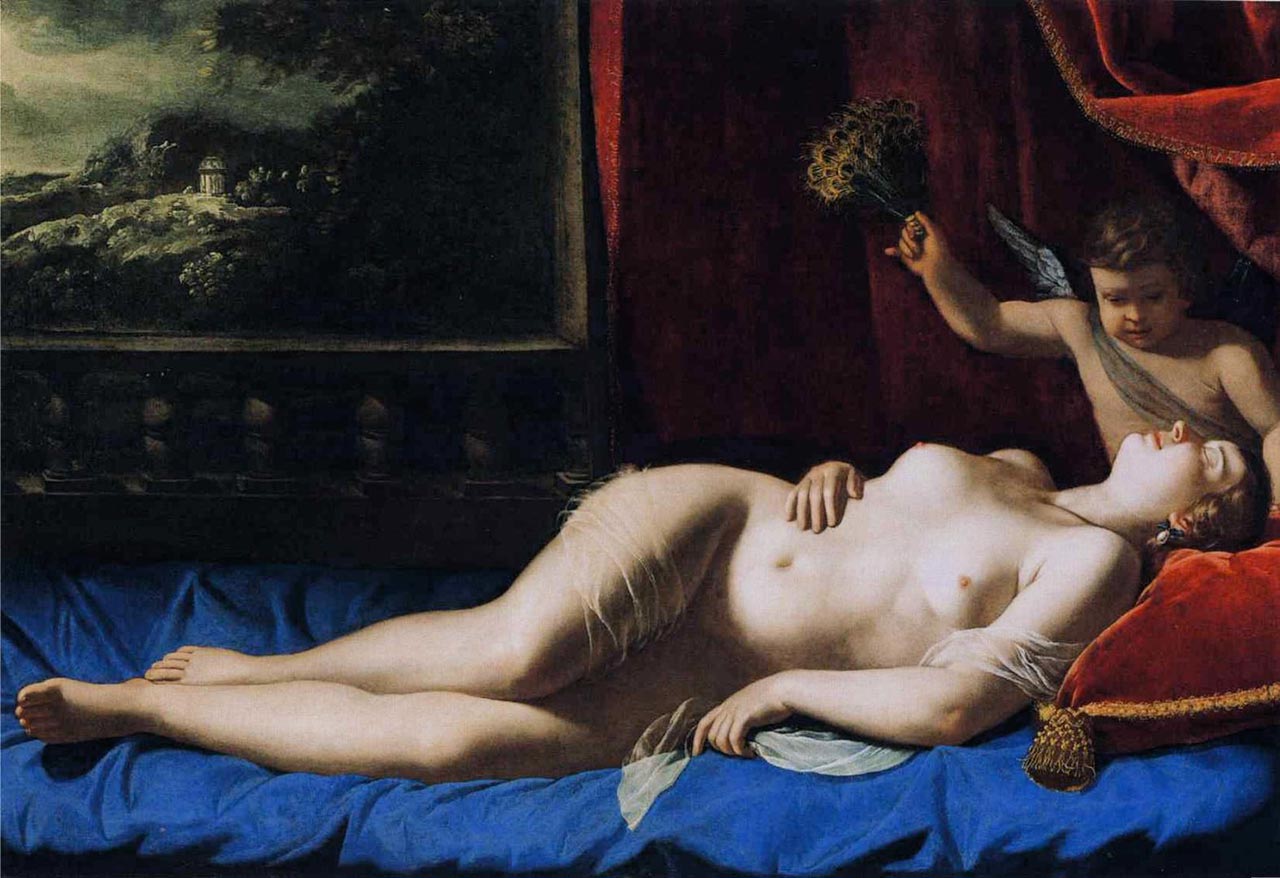
Without these objects and clothes, the protagonist has no life. This diagnosis is made by Alumudbar through a cunning comparison. On the walls of the protagonist's apartment - whose name we do not know - hang a number of paintings with naked women in their hearts. Most notable is a huge reproduction of Artemisia Gentilsky's 17th-century painting Venus and Cupid. Although the painting is called "The Old Venus," it is difficult to evade the fact that the naked mythological figure appears to be completely dead, and that Cupid is busy reviving her.
Artemisia Gentilsk,
Venus and Cupid. Photo: Wikipedia
What is the difference between Swinton's neurotic character, beautifully dressed throughout the film, the artist's arbitrator of every object she comes in contact with, and the cartoon woman lying still, naked and with no apparent lifelessness? This is a thought that Almodóvar is interested in promoting. He even perpetuates for a moment the two lying in the same position. The dead woman is not required for clothes. However, the character in the film owes them if she wants to survive.
To a large extent, this is a first-rate existentialist film; The absurdity of human existence is at its center. The parting that Swinton's character experiences in the film seems like a force majeure, something threatening and known in advance that can not be avoided; Like knowing death itself. In this context, dressing up is an integral part of the abandoned protagonist's ability to deal with all the madness woven around her like sticky cobwebs. It's better for us to dress up than to give up.
After all, where there is life there are clothes. Visually, we are dressed from birth to funeral and surround ourselves with objects. Dressing gives us not only importance, but meaning, and to a large extent dealing with them is what allows the protagonist, and us, to continue living. Clothes forget the pre-determined ending. Maybe even reject it a bit.
Almodóvar is not the first to notice the connection between fashion and death. Walter Benjamin, one of the most important thinkers of modernity, even noted that fashion mocks death, because it is always renewed. There is a good chance that this is exactly what the character in the movie feels like. That's why she's so attached to fashion and what she has. After all, all this extra means your body is still worth something.
The Human Voice 2021

BY LIROY CHOUFAN
01.11.2021
Almodóvar does not allow us to dodge fashion this time. He forces us to deal with it. The fashion in the film is almost pornography of personal style, contemporary.
* The articles were taken from Vogue official website and the Israeli website - Portfolio Magazine. The third article was translated by Gili Shklar.